

Star Citizen Is “Too Much”… and That’s Exactly Why I Like It

Star Citizen is a weird game to defend. It’s been in development forever, it’s raised an insane amount of money, and the internet has been calling it either “the future of gaming” or “the biggest scam ever” for basically a decade. And honestly, I get why people are skeptical. If you only look at the timeline, it’s hard to argue. But as someone who actually plays it, and who has placed money down (not a significant amount), I don’t think it’s a failure. I think it’s a game with crazy potential that’s already showing itself — even if the project is still far from “done.”

The reason isn’t just graphics. It isn’t just ship collecting. It isn’t even the “space fantasy.” It’s something much simpler: Star Citizen is one of the few online games that makes me feel like I’m physically living inside another world. And the funny part is - it achieves that by making everything more annoying.

The “Launch a Ship” Routine That Explains Everything
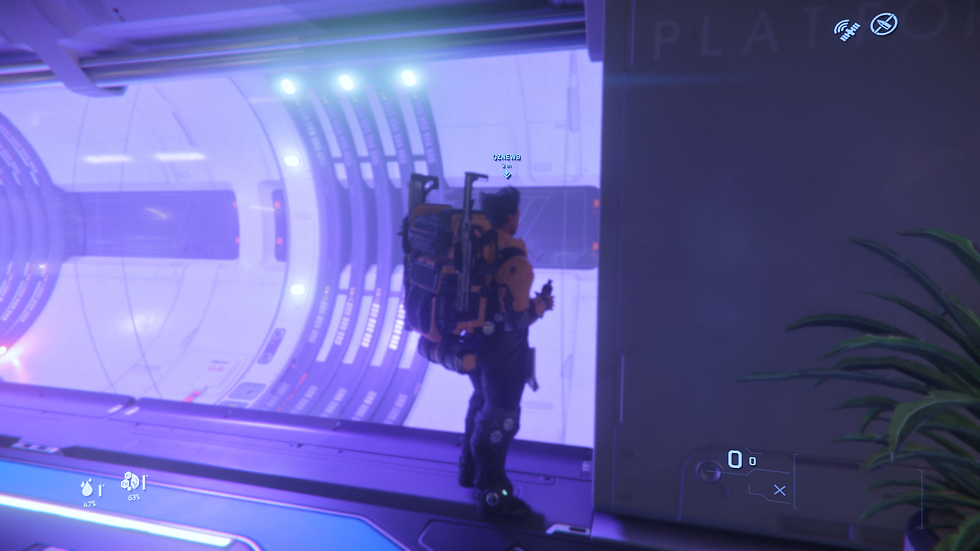
Let me describe one thing Star Citizen does that instantly explains what kind of game it wants to be. Before you even get to space, you start like a real person would: you create an avatar, pick a city to spawn in, and you wake up in a bed in an apartment. From there, you do normal life stuff — walk around, go to different rooms, change clothes, eat, drink, pack items, etc. Then you:
open the door with a switch
call an elevator using a wall panel
pick a floor inside the elevator
navigate the building lobby
find public transportation
ride a train/bus to the spaceport
go through security/customs scans
pay fines at kiosks (if needed)
find ship management kiosks
request your ship
take another elevator to the hangar
locate the ship entrance (varies by ship)
walk through the ship interior (if it has one)
sit down in the cockpit
power up systems, check screens, check fuel, check subsystems
contact tower control for clearance
wait for the hangar doors
take off
retract landing gear, adjust lift mode, set heading, exit atmosphere
All of that, just to do the basic thing: get into space.



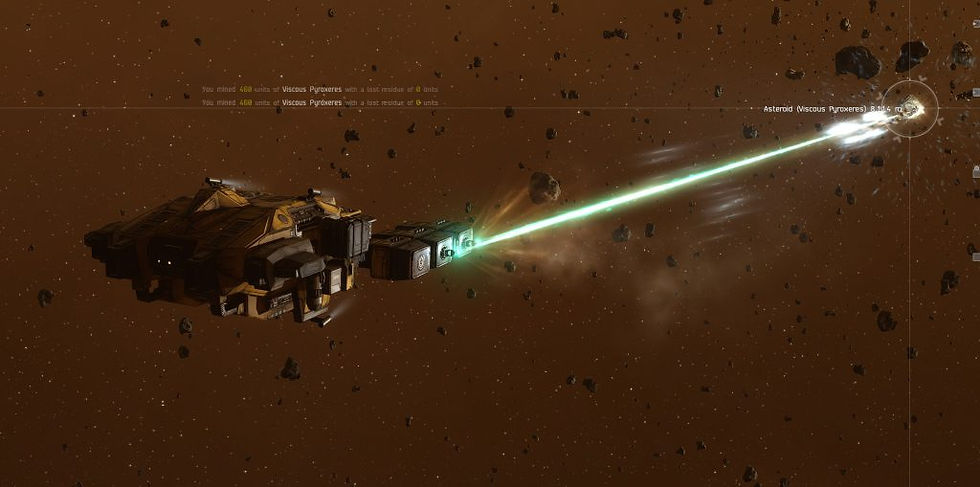
Now compare that to EVE Online, which I also respect a lot for different reasons. In EVE, you’re basically a god-camera looking at your ship. Want to leave the station? Click Undock. Loading screen. Done.


Why the “Annoying” Still Works
So why do I enjoy all this friction instead of just calling it pointless? Because similar interactions are implemented in every corner of the game, and the dynamics mirror the real world. It’s not just one fancy “immersive sequence.” It’s the whole vibe - you’re constantly touching switches, pressing panels, selecting settings through panels, walking in all sorts of interiors, going through all sorts of processes, and using kiosks to handle all sorts of practical stuff.
That’s why Star Citizen feels totally different from EVE Online. In EVE, you’re looking at your ship from an "outsider" perspective, while Star Citizen makes you live through the process as an "insider".

Another reason this world feels so “alive-like” is that the in-game objects cover basically everything. You’ve got:
Non-interactive objects (tons of buildings/structures you can’t touch)
Static but usable objects like panels (doors, elevators) and kiosks (hangars, shopping)
Destructible objects, where ships can be destructible (sometimes even in a module rather than as a whole)
Modifiable objects, like the DIY weapon attachment system
Creatable items through mining and refining ores using furnaces
Details I honestly love, like you have to “physically” equip magazines on your armory, and if you remove the armory, the magazines come off with it
And the funniest “Star Citizen” moment - players inventing wild vehicle combinations, like using a tank to fire missiles in the cargo bay of a freighter with the door open
That’s the part that makes it feel like more than “do quests, level up, repeat.” The world supports a bunch of weird player behaviors to achieve the normal gameloop, not just designer-planned behavior, and all this freedom can't be achieved without those "extra steps" and modularity. The world feels real because the system lets you treat things like real things.


The Honest Part Though
Now I’m not saying the game is perfect. In the latest version, most agents are still "bots", and this alone reduces quite a lot of "realness". They don’t have much context, they don’t have much interaction, and they don’t do much. The easiest example is the food bar NPCs: simple lines, buy food, buy drink, done. There are some agents that feel a bit better—more like flat or shallow characters—like the individual contractors or corporate agents who give missions for money or access to resources. The gang leaders in bars handing out illegal bounty missions are a good example. But the “deep, rich, rounded characters” aren’t really here yet. And honestly, I think that’s one of the biggest reasons people bounce off the game.

Even though those weaknesses are real, I’m still optimistic because the foundation is already doing the hard part: making the systems in the world feel like a second reality. And the hope a lot of players are also looking for: Squadron 42. Since the single-player story mode has been “generally completed” (at least based on what’s been shown) and trailers have been released, players believe that agents with stronger backgrounds and stories will eventually join the online universe too.
For events, it’s also true: there aren’t many big, fully plotted “kernels” right now. But there’s still a lot of environmental storytelling already in place—like corporation advertisements all over the cities—and faction missions that hint at what’s going on behind the scenes. Special events sometimes add small kernels temporarily too, which kind of proves there’s a bigger universe planned.
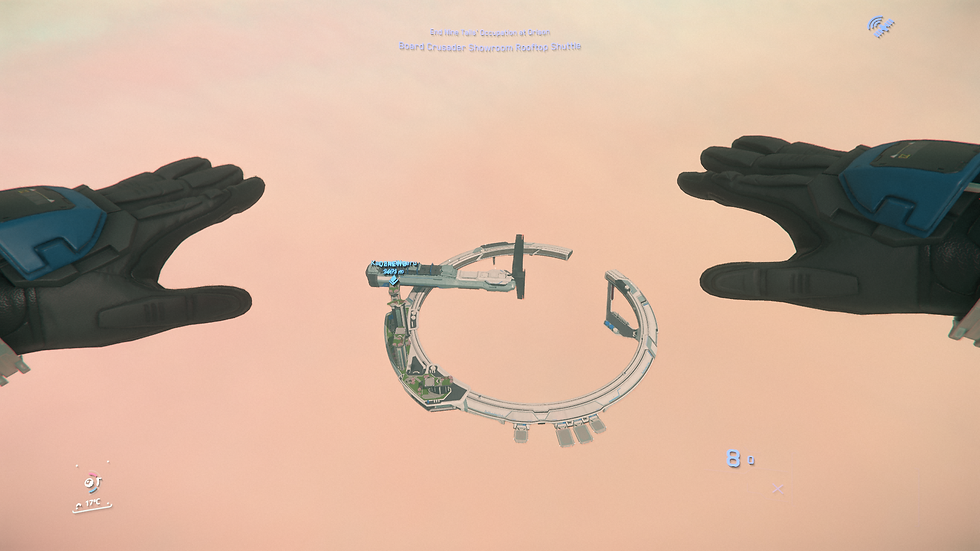
And I like that the game doesn’t force you down one path. How you engage is mostly up to you, and outcomes can be shaped by what you decide, so a lot of the “story” ends up being player-oriented.


Why I Still Think Star Citizen Matters
So yeah—Star Citizen is annoying. It’s slow. It’s messy. It’s unfinished. But it’s also one of the rare MMORPG-style games that’s trying to make the world feel like a real world. The little routines, the layered spaces, the object complexity—those things already show the potential even before the “big story” arrives.

If the project ever fully delivers on agents and events the way players hope, then it won’t just be a space MMO. It’ll be a universe people actually live in. And that’s why, even after all these years, I still don’t see it as a failure—I see it as potential that hasn’t been unleashed yet.

Comments